Office cleaning · recurring commercial service
Recurring office cleaning built for spaces that need consistent resets without management drag.
Northline runs office cleaning around written scope, access discipline, common-area rhythm, washroom resets, and a real correction path when something slips.
- Client-ready floors
- After-hours capable
- Written recurring scope
Office delivery model
Scope → access → common-area rhythm → QA → steady state
Office service works when the recurring standard is clear before launch and easy to hold over time.
Operating reality
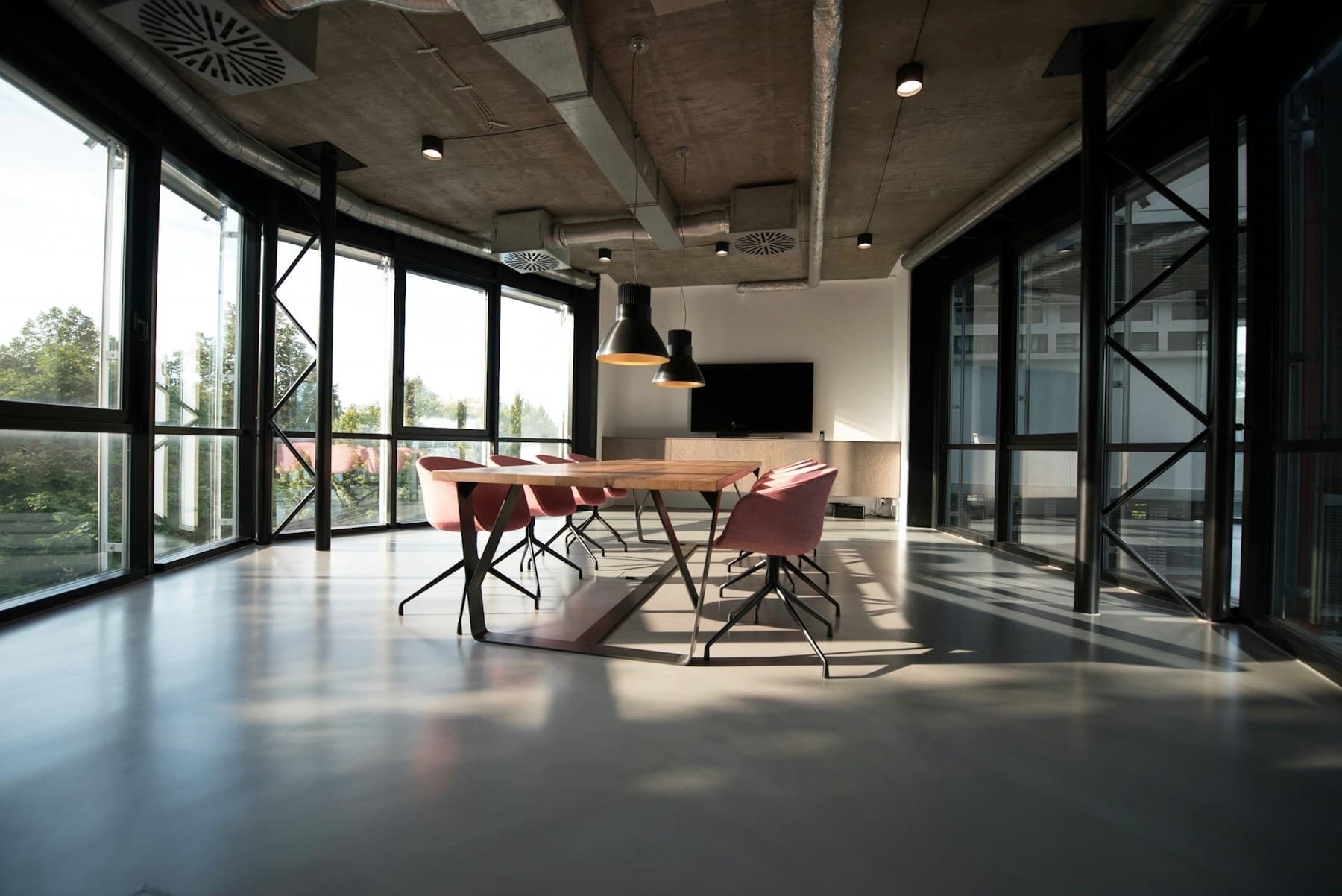
Office cleaning should be quiet, predictable, and easy to trust.
An office is not usually a technically complex environment. But recurring office service still fails the same way: inconsistent common-area resets, weak washroom standards, sloppy lock-up handling, and a service relationship that creates more management work than it removes.
A good office vendor should not need constant reminders. The site should open clean, the recurring standard should hold, and the office manager should not be chasing the basics.
Common areas
Reception, shared zones, kitchens, and washrooms shape how the office feels day to day.
Consistency
The real product is whether the site holds its standard over time — not one good visit.
After-hours
Many offices need work done outside business hours without surprises.
Access
Lock-up, alarms, and contacts still affect whether quality actually lands.
When those pieces slip, office cleaning becomes another thing to manage — not something that removes work.
Delivery standard
Office service works when the recurring rhythm is steady.
Northline office service is built around the parts of the building people notice fastest: reception, meeting areas, kitchens, washrooms, shared zones, and the sense that the site is being held properly.
Reception & visitor-facing areas
These spaces shape first impressions fast and cannot feel neglected.
Breakrooms & kitchens
Shared-use zones are where standards slip first.
Washroom resets
Washrooms are one of the clearest recurring signals of whether service holds.
Traffic-aware rhythm
Some zones carry more daily wear and should be treated that way.
Steady rhythm is what makes office cleaning feel invisible in the right way.
Recurring scope
What recurring scope usually includes
Recurring office cleaning should be explicit. These buckets help keep the baseline clear before service begins.
Core cleaning
- Vacuuming and mopping
- Garbage and recycling removal
- Accessible surface dusting
- Entry and reception reset
- Hallway and shared-floor upkeep
Washrooms & kitchens
- Washroom cleaning and reset
- Sink, mirror, and fixture wipe-downs
- Kitchenette and breakroom wipe-downs
- Bin reset and surface cleaning
- Consumable checks when included in scope
High-touch / shared-use routines
- Touchpoint cleaning where defined
- Shared-desk or common-touch surfaces
- Meeting room reset logic where included
- Traffic-aware recurring attention
Exact inclusions are confirmed on walkthrough and captured in writing before service starts.
Operating sequence
From walkthrough to steady office routine
Office service should not rely on vague expectations. It should start with a clear sequence, then settle into a recurring standard that holds.
01 — Written scope
The line between standard recurring work and facility-specific expectations is clarified before launch.
02 — Onboarding & access
Keys, alarms, contacts, room notes, and lock-up procedures are captured before service begins.
03 — Checklist delivery
The recurring routine follows a facility-specific sequence, not generic memory.
04 — First-service QA
Early visits get tighter attention before inconsistency has a chance to settle in.
05 — Correction path + steady state
If something needs attention, it gets reviewed, corrected, and returned to routine quickly.
This is how service stops becoming management overhead.
Why teams switch
Most office switches happen because the service becomes one more management task.
Offices usually do not switch because a vendor literally cannot clean. They switch because the service starts drifting: kitchen and washroom standards slip, common-area resets become inconsistent, communication gets weak, and nobody handles corrections cleanly.
Average vendor
Where service breaks down
- Inconsistent common-area resets
- Weak washroom cadence
- Sloppy lock-up handling
- Vague communication
- No reliable correction path
Northline
Operational answer
- Written scope before launch
- Checklist delivery for your floor plan
- After-hours scheduling discipline
- Structured issue review and correction
- No chasing required
The goal is not just that the space gets cleaned. The goal is that the recurring routine becomes easier to trust.